India Travel Guide: Local Tips, Cultural Etiquette & Best Travel eSIM
Planning a trip to India? Whether you’re exploring the palaces of Jaipur, cruising the backwaters of Kerala, experiencing the chaos and colour of Delhi, or visiting the Taj Mahal in Agra, this practical India travel guide covers local etiquette, cultural tips, what to pack, safety advice, and the easiest way to stay connected with a reliable travel eSIM.

If you’re searching for:
India travel tips
What to know before visiting India
Is India safe for tourists?
Best eSIM for India
How to get mobile data in India
This guide covers everything you need to know before you go.
India Travel Etiquette & Cultural Tips
India is incredibly diverse. Culturally, linguistically, and religiously. A little awareness goes a long way.
Greetings & manners
“Namaste” with palms together is a respectful greeting.
Handshakes are common in business settings.
Public displays of affection are generally discouraged.
Use your right hand when giving or receiving items.
Temple & religious etiquette
India is home to Hindu temples, mosques, Sikh gurdwaras, churches, and Buddhist sites.
Remove shoes before entering temples and some homes.
Dress modestly (cover shoulders and knees) in religious sites.
Photography may be restricted. Always check signs.
Avoid touching religious statues or rituals unless invited.
Cultural awareness tip
India moves at its own pace. Traffic, crowds, and delays are common. Patience and flexibility will make your trip more enjoyable.
What Do Locals Love? Food & Experiences You Shouldn’t Miss
Food is central to Indian culture and each region has its own specialties.
Must-try Indian dishes
Butter Chicken
Biryani (Hyderabadi or Lucknowi style)
Masala Dosa (South India)
Chole Bhature
Paneer Tikka
Mango Lassi
Street food is delicious but choose busy, reputable vendors.

Popular local experiences
Sunrise visit to the Taj Mahal
Rickshaw ride through Old Delhi
Houseboat stay in Kerala
Camel safari in Rajasthan
Watching the Ganga Aarti ceremony in Varanasi
Exploring tea plantations in Darjeeling
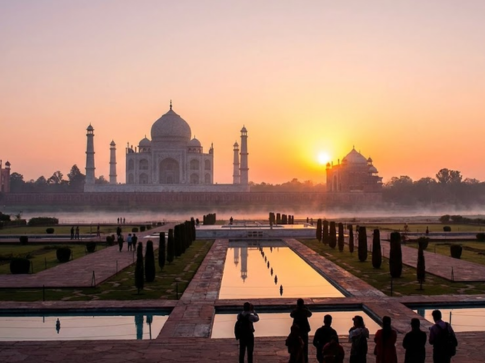
India offers spiritual depth, architectural wonders, and sensory overload in the best way.
What to Pack for India
India’s climate varies by region, from Himalayan cold to tropical heat.
Essentials to bring
Lightweight, breathable clothing
Comfortable walking shoes
Scarf or shawl (useful for temples)
Hand sanitiser & tissues
Reusable water bottle (for filtered water)
Portable power bank
Weather tip
Summer (April–June) can be extremely hot.
Monsoon season (June–September) brings heavy rain in many areas.
Northern India can be cold in winter (December–February).
Health & Safety in India
Avoid drinking tap water. Use bottled or filtered water.
Be cautious with raw food and ice.
Use registered taxis or ride-hailing apps.
Keep belongings secure in crowded areas.
Is India safe for tourists?Yes, millions visit every year. Like any large country, use normal travel precautions and stay alert in busy areas.
Getting Around India
Transport options vary by city.
In major cities
Uber and local ride apps like Ola are widely available.
Metro systems operate in cities like Delhi, Mumbai, and Bangalore.
Trains connect major regions (book in advance).
In smaller towns
Auto-rickshaws are common.
Negotiate fares if no meter is available.
Mobile data is extremely helpful for navigation and ride bookings.
Best Way to Stay Connected in India (Travel eSIM Guide)
If you’re wondering:
How to get mobile data in India?
Is roaming expensive in India?
Should I buy a SIM at the airport?
A travel eSIM for India is one of the easiest solutions.
With an E.Tel Travel eSIM for India, you can:
Activate instantly
Avoid expensive international roaming fees
Skip airport SIM queues
Stay connected across Delhi, Mumbai, Goa, Kerala, Rajasthan, and beyond
Having mobile data in India is useful for:
Booking Uber or Ola
Translating Hindi or regional languages
Accessing train tickets and boarding passes
Navigating busy streets
Staying in touch with drivers and hotels
Install your eSIM before departure or while on WiFi, and it activates when you arrive.
Frequently Asked Questions About Travelling to India
Is India safe for solo travellers? Yes, including solo female travellers, but research neighbourhoods, use trusted transport, and avoid isolated areas at night.
Is tipping expected in India? Tipping is common in restaurants (5–10%) and for drivers or hotel staff.
Can I use my Australian SIM in India? International roaming can be expensive. A travel eSIM is usually more cost-effective.
Do I need mobile data in India? Highly recommended. Cities are large and navigation apps are extremely helpful.
Final Thoughts: Travel Smart in India
India is vibrant, chaotic, colourful, spiritual, and unforgettable. From the Himalayas to the beaches of Goa, every region feels like a different world.
With a little preparation, respecting local customs, packing appropriately, staying health-conscious, and using a reliable travel eSIM,your journey through India will be smoother and more enjoyable. If you’re planning your India itinerary, staying connected from the moment you land can make all the difference.


