Must See Places and Best Things to Do in Guyana
Tucked away on the northern coast of South America, Guyana is a land of breathtaking natural wonders, vibrant cultures, and staggering biodiversity. Often called the 'Land of Giants'—home to giant anteaters, giant river otters, and the magnificent jaguar—this is a destination that promises raw, unfiltered adventure. From the Dutch colonial architecture of its capital to the seemingly endless savannahs of the interior, Guyana offers a journey unlike any other. Forget what you think you know about South America; this English-speaking gem is ready to show you a different side of the continent in 2026.

Georgetown: The Garden City of the Caribbean
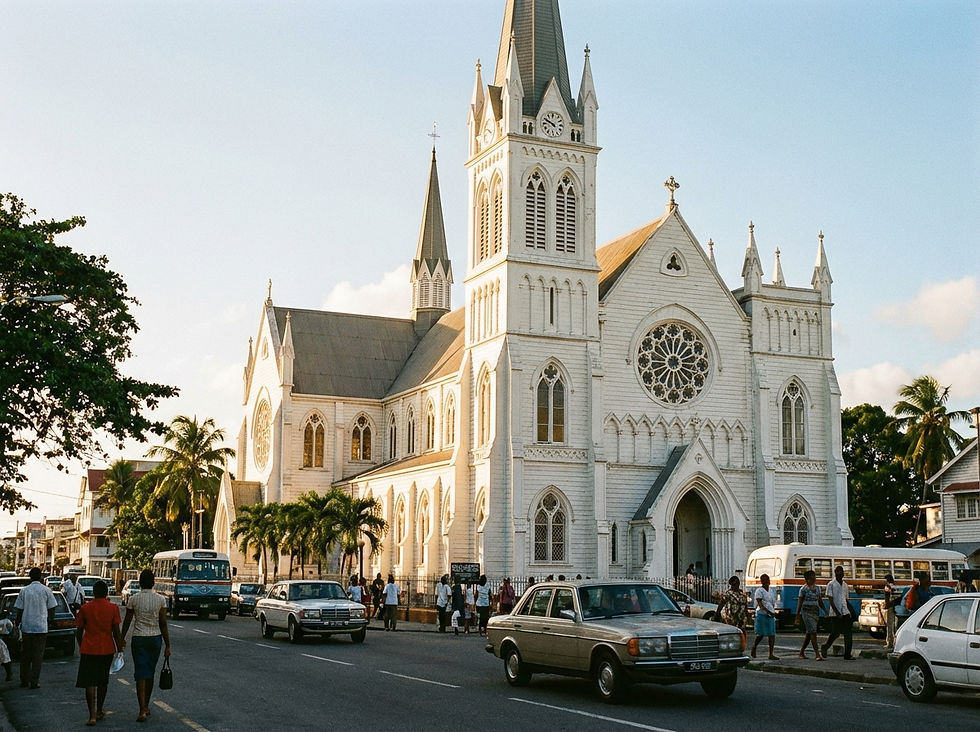
As Guyana's capital, Georgetown is a city of fascinating contrasts. Its streets are lined with elegant, stilted wooden buildings from the Dutch and British colonial eras, while the boulevards are shaded by flowering trees, earning it the nickname "The Garden City." It's a bustling, energetic hub where you'll find the country's best museums, markets, and a rhythm that is uniquely Guyanese.
Best foodie finds
Start your culinary tour at Stabroek Market, an iconic cast-iron landmark, to try fresh cane juice and local snacks. For a true taste of Guyana, find a restaurant serving Pepperpot, the national dish. This is a rich, slow-cooked meat stew flavoured with cassareep (a sauce made from cassava root), cinnamon, and hot peppers. Another must-try is Garlic Pork, a flavour-packed dish often enjoyed during festive seasons.
Getting around
Georgetown is a highly walkable city, especially the main heritage areas. For longer distances, the local minibuses are an experience in themselves—vibrant, loud, and incredibly efficient. Taxis are also readily available and are a reliable way to navigate the city, especially at night. Just be sure to agree on the fare before you start your journey.
Lethem: Gateway to the Rupununi Savannah
On the border with Brazil lies Lethem, a dusty, frontier-style town that serves as the entry point to one of the world's last great wildernesses: the Rupununi Savannah. This vast expanse of grassland, dotted with termite mounds and isolated mountain ranges, is where the spirit of the vaquero (cowboy) lives on. It's the perfect base for exploring the region's rich biodiversity and Indigenous communities.

Culture & landmarks
The heart of the Rupununi is its people. Plan a visit to a local Amerindian village like Surama or Rewa to learn about traditional life and sustainable eco-tourism. The nearby Kanuku Mountains, a protected area, are a hotspot for biodiversity and offer incredible opportunities for birdwatching and wildlife spotting. If you're here around Easter, you can't miss the famous Rupununi Rodeo, a spectacular display of horsemanship and local culture.
What to eat
The food in the Rupununi is hearty and reflects the land. You'll find plenty of grilled beef (a nod to the ranching culture) and dishes made with cassava, a staple crop. Be sure to try farine (a granular product made from cassava) and traditional cassava bread, often served with tasso (dried, salted beef).
Bartica: The Riverine Hub
Nestled at the confluence of the Essequibo, Mazaruni, and Cuyuni rivers, Bartica is a vibrant community often called the "Gateway to the Interior." Life here revolves around the water, with boats serving as the primary mode of transport. It’s a launching pad for expeditions to gold and diamond mining camps, remote jungle lodges, and some of the country’s most beautiful waterfalls.

Street food + must-do experiences
The best way to experience Bartica is from the water. Hire a boat to visit the impressive Marshall Falls or Baracara Falls, where you can swim in the refreshing pools. The annual Bartica Regatta, held over the Easter weekend, is a massive celebration with speedboat races, music, and festivities that draw crowds from all over the country. For a bite, wander the streets and look for vendors selling "chicken-in-the-rough" (Guyanese fried chicken) and freshly fried fish with bakes (a type of fried dough).
Cultural Etiquette and Smart Travel Tips
Guyanese people are known for their warmth and hospitality. A polite "Good morning" or "Good afternoon" is always appreciated when entering a shop or interacting with locals. Dress is generally casual, but it's respectful to dress a bit more conservatively if visiting religious sites. As with any travel, keep your valuables secure and be aware of your surroundings, particularly in larger towns.
What to Pack
Pack lightweight, breathable clothing suitable for a tropical climate. Include a good rain jacket, as downpours can be sudden and intense. For jungle and savannah excursions, long sleeves and trousers are essential for protection against insects and the sun. Don't forget sturdy, waterproof walking shoes, insect repellent with DEET, a reusable water bottle, and a powerful sunhat.
Staying Connected
Navigating a new country is so much easier with data on your phone for maps and translations. Instead of worrying about the high cost of international roaming, an E.Tel Travel eSIM is the perfect solution. You can set it up before you leave Australia, and it activates the moment you land in Guyana, giving you access to affordable local data rates without the hassle of finding a physical SIM card. It’s a simple way to stay connected with family back home and share your amazing adventures online. Find out more at: https://apply.etel.com.au/travelesim/guyana
Final Thoughts
Guyana is a destination that stays with you long after you’ve returned home. It’s a place for the curious, the adventurous, and anyone looking to connect with a world that feels wonderfully wild and authentic. From its historic coastal cities to its vast, untamed interior, Guyana is South America's best-kept secret, just waiting to be explored.


